

I own a small restoration company specializing in small
Started 2026-09-16 08:18:00 by William Jarrod cox in Robofinity InsightDrive, User Review
I own a small restoration company specializing in small fire- and water-loss claims. We operate on the Eastern Shore near the Chesapeake Bay, and I...
Body
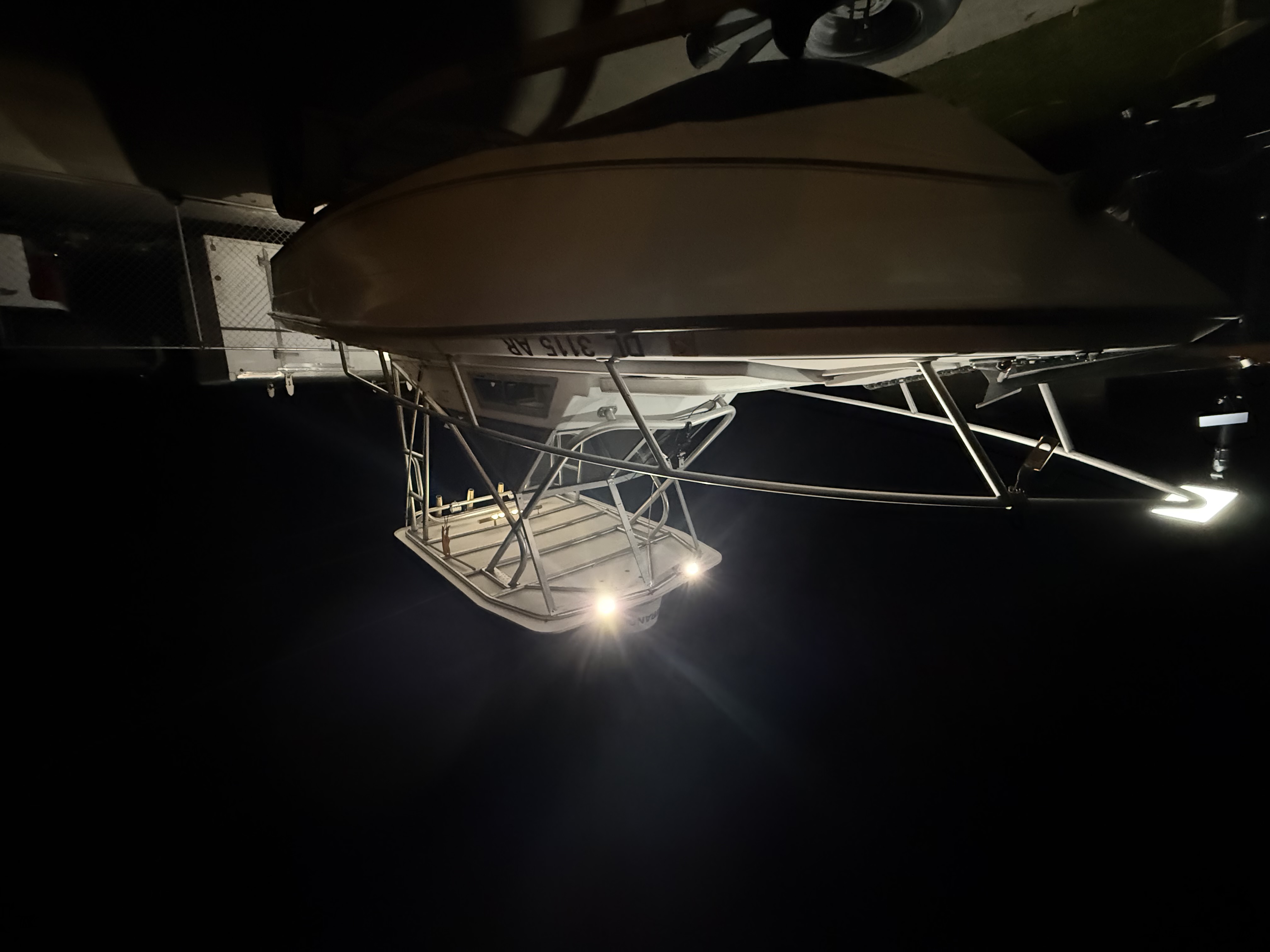
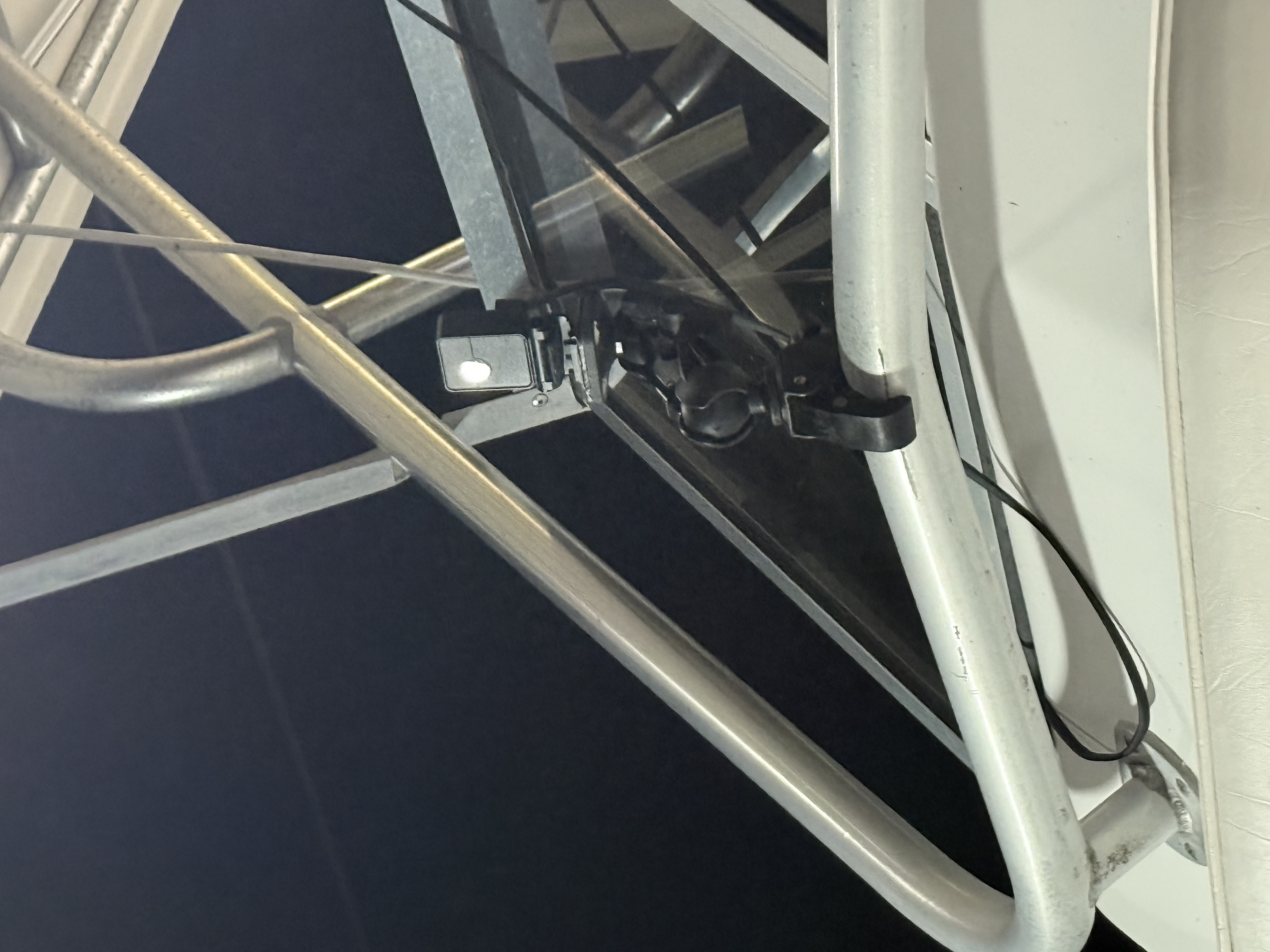
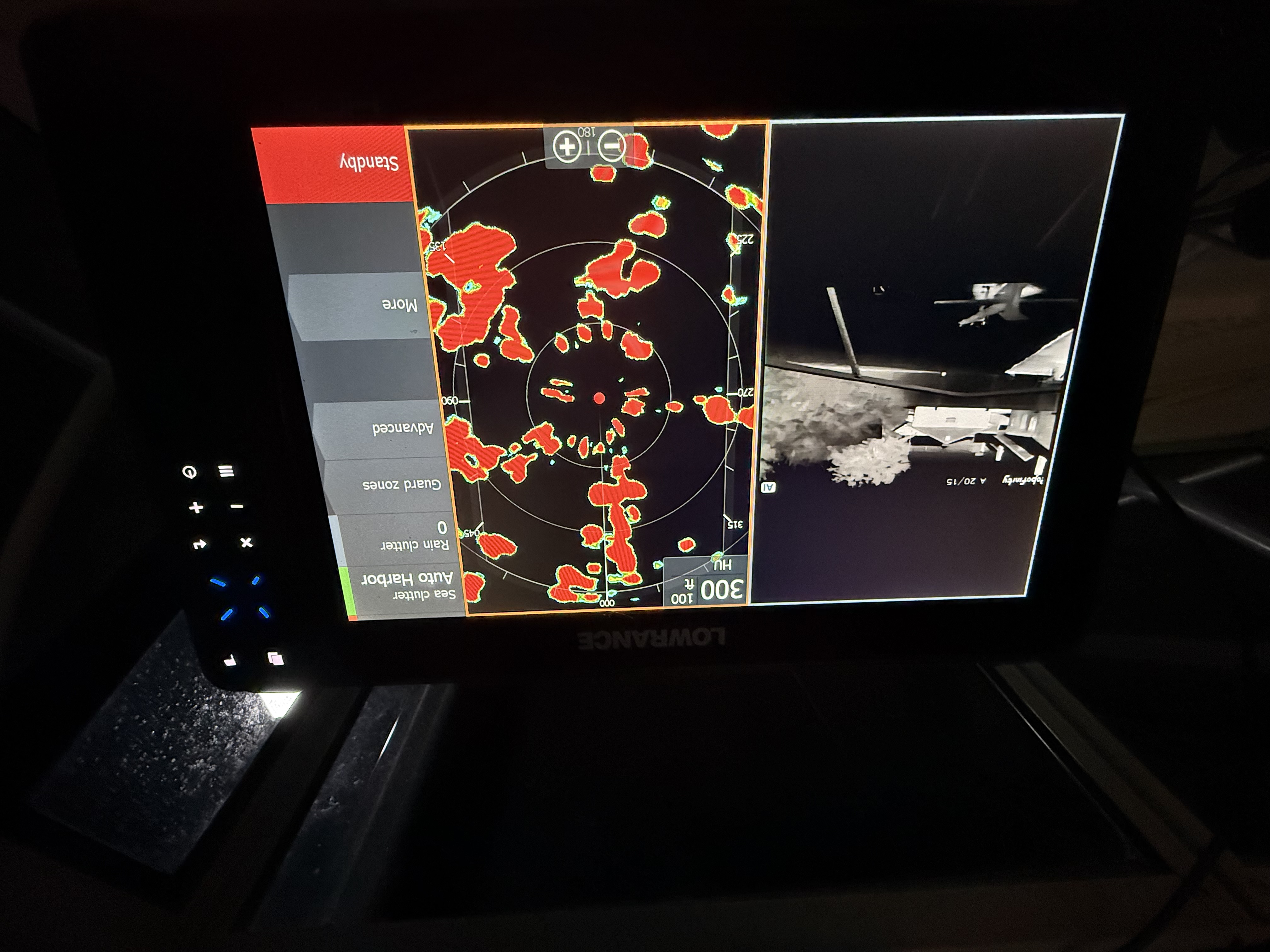
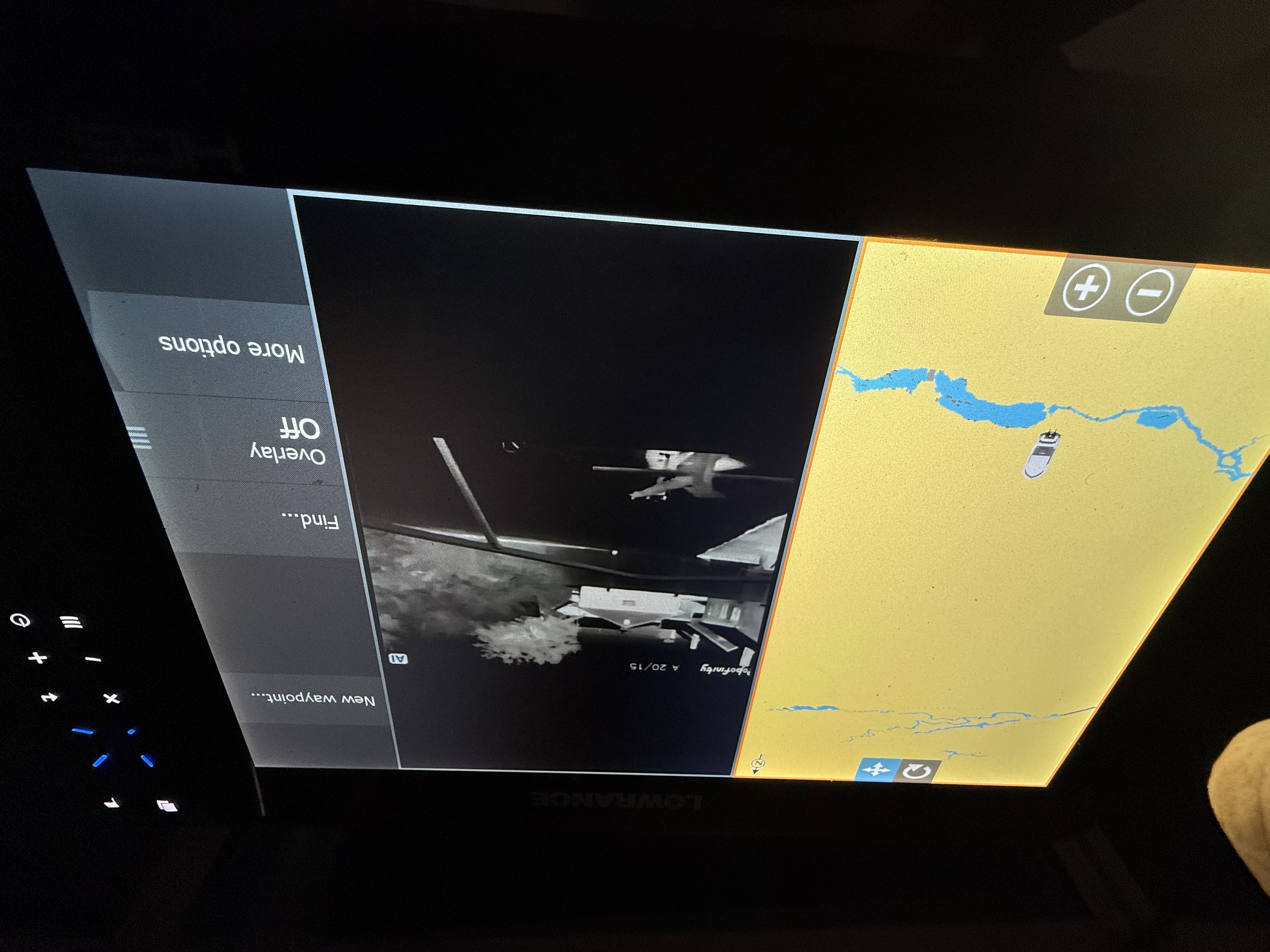
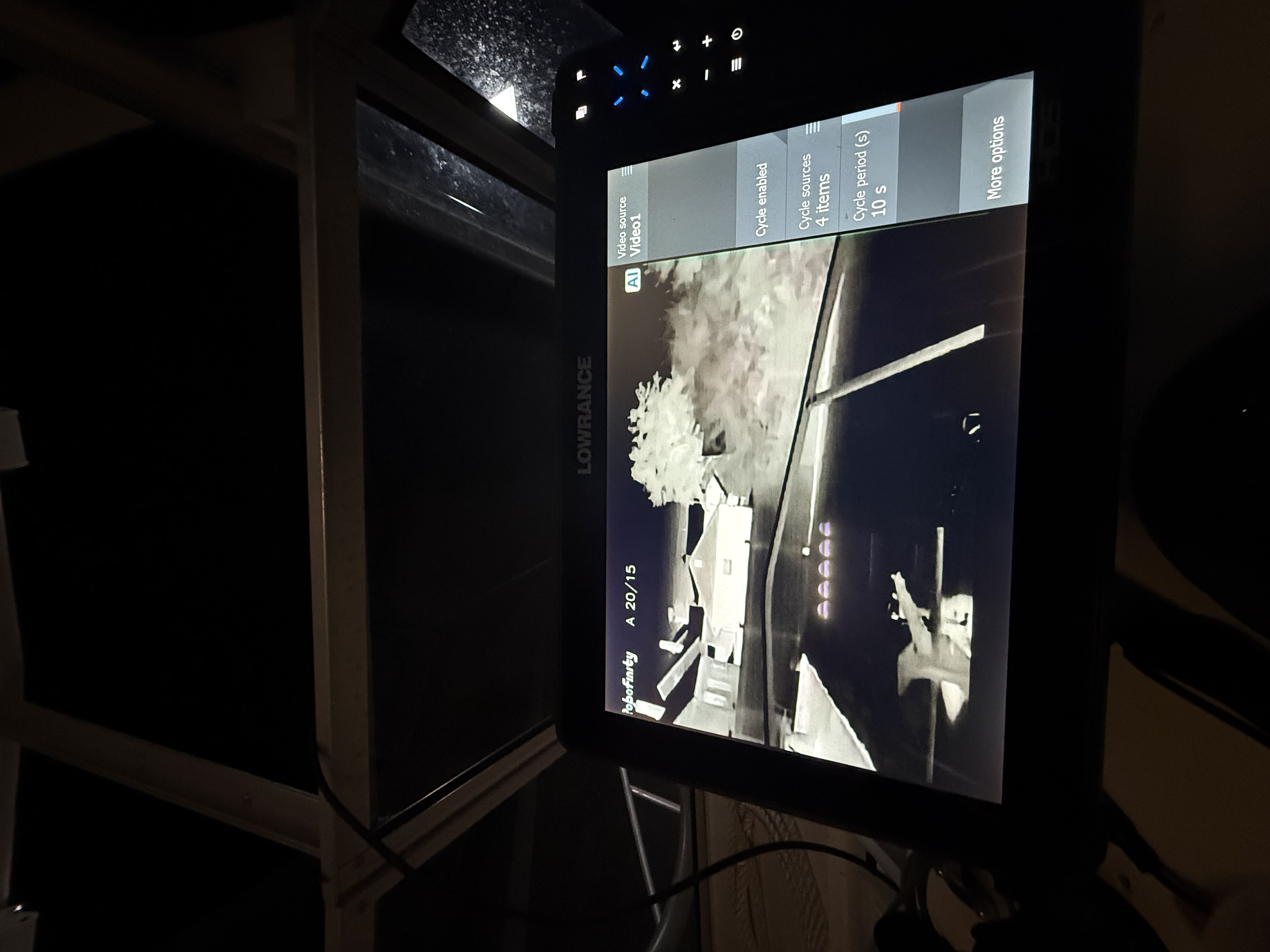
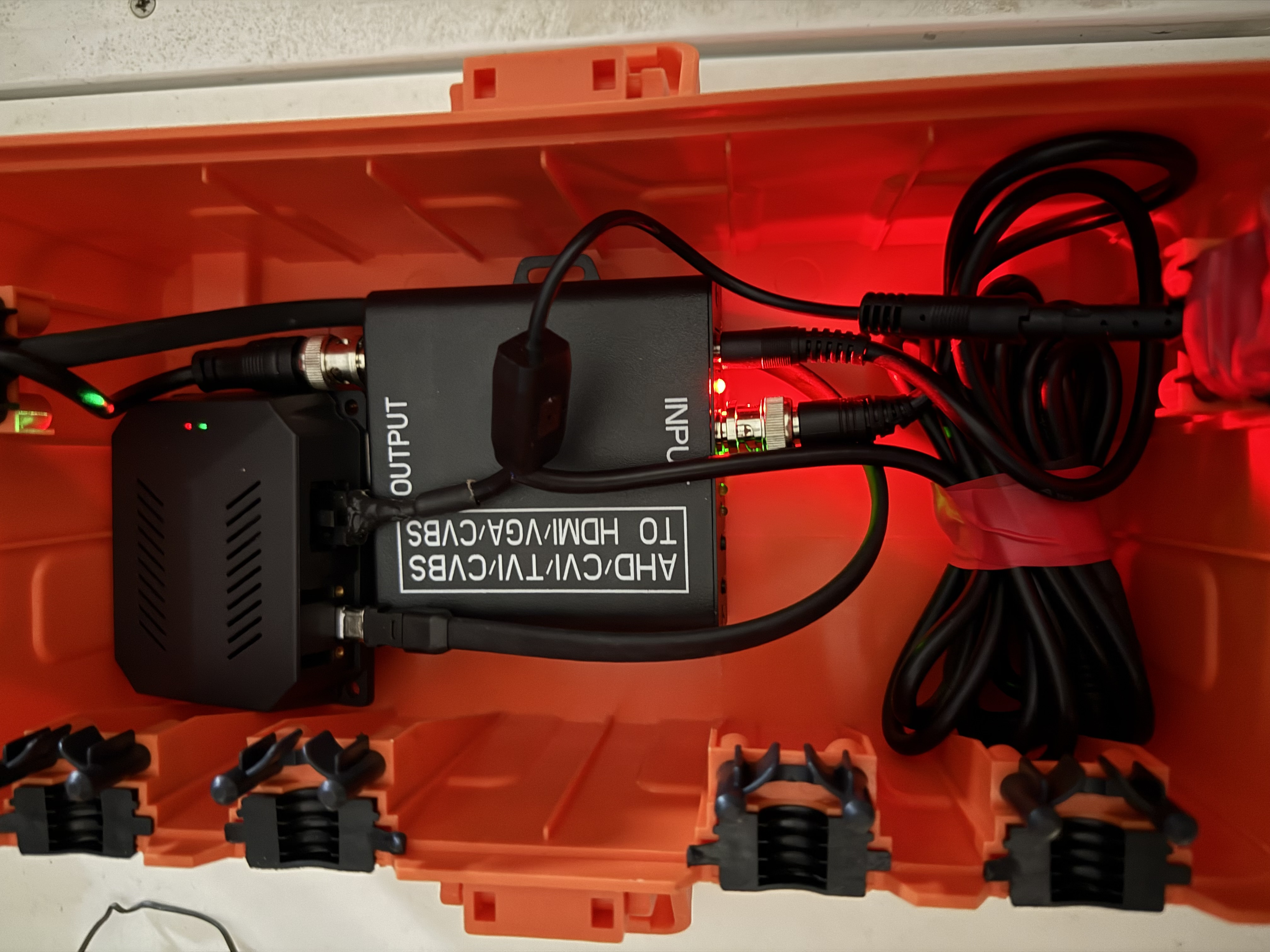
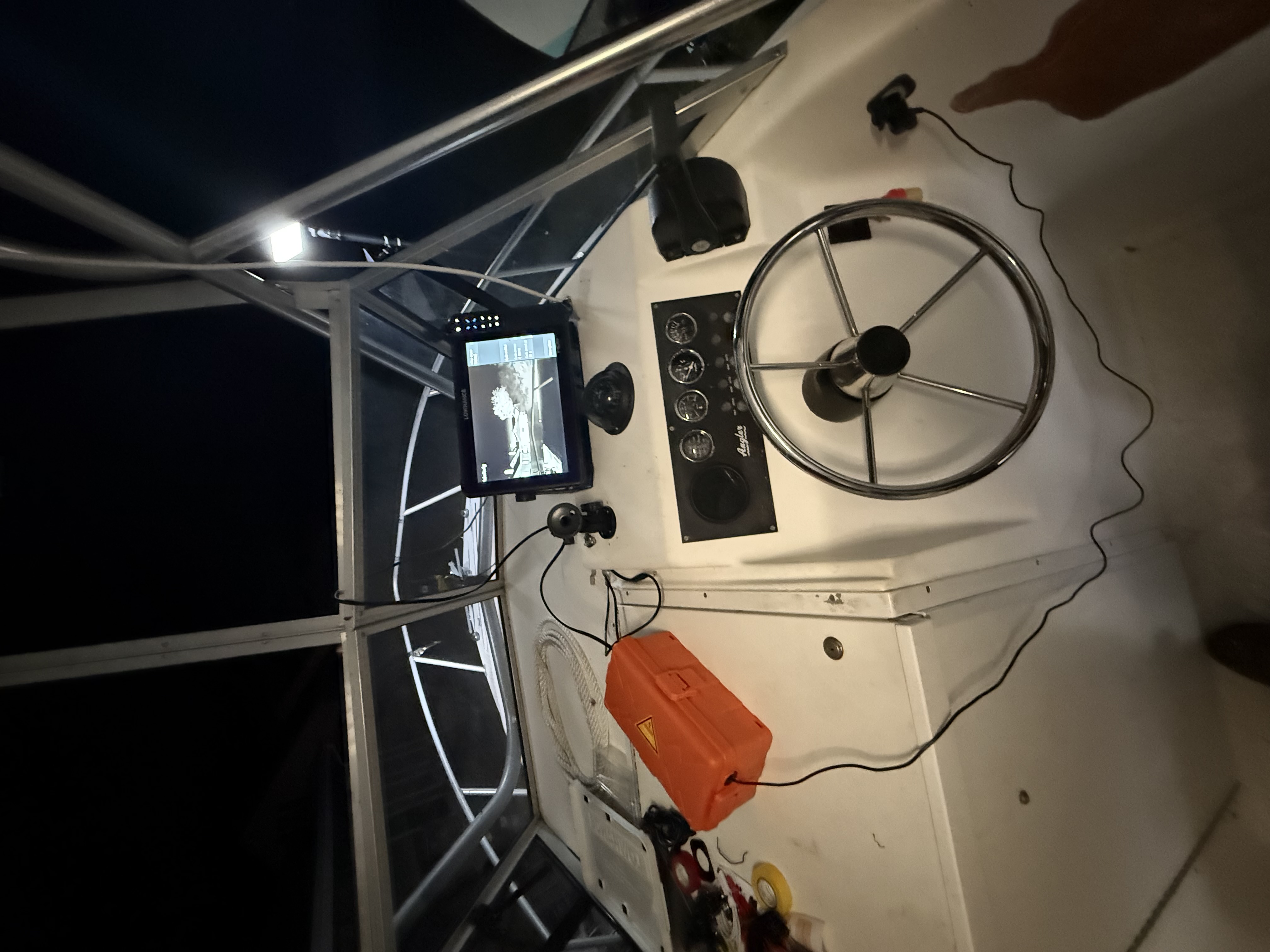
I own a small restoration company specializing in small fire- and water-loss claims. We operate on the Eastern Shore near the Chesapeake Bay, and I recently began serving two small island communities accessible only by boat. When a loss occurs, we may have to travel across the water at night in poor and sometimes dangerous visibility. I have tried low-light marine cameras, including BoatEye 360. They work under certain conditions, but total darkness combined with scattered shoreline lighting can overwhelm the camera and leave you with an unusable image. Better systems designed specifically for marine use are available, but their cost puts them out of reach for most casual users and small operators. When I saw this system designed for automobiles, I said, “I’m going to take a chance and try it on the boat.” The system itself has already been developed. My focus is not to build an AI thermal camera system, but to create a protective housing and a practical mounting method that make the existing system portable, secure, and suitable for use in a harsh marine environment. My biggest concern was protecting the electronic components from saltwater exposure. I initially considered permanently mounting a sealed electrical box and routing all the wiring through the boat. That would have protected the equipment, but it also would have made the system difficult to access, adjust, remove, or use on another vehicle. That led me to a different idea: build a portable, self-contained housing that protects the existing components and can be set up in minutes. The AI processor and converter are being mounted inside a waterproof electrical box. The camera uses a 1.5-inch ball mount with a clamp, allowing it to be positioned wherever needed and removed just as easily. The enclosure stores the components, wiring, charging adapters, and mounting hardware. I believe it will also hold the supplied screen, making the entire system portable and plug-and-play. I have now successfully connected the existing system to my 12-inch Lowrance HDS Live. I can view the camera feed on the Lowrance, split the display between the camera and either my charts or radar, and still view the feed and adjust the settings from my iPhone. The boat is currently out of the water for end-of-summer service, which gives me time to refine the protective housing and camera-mounting system. I’m looking forward to putting the completed portable setup through a real sea trial later this week. I’ll share video and an honest update once I’ve tested the housing, mounting system, and existing camera system under actual nighttime operating conditions.
1 Replies
-
@Robofinity

We’re dedicated to thermal imaging innovation, empowering individuals and industries with cutting-edge tech to boost safety, efficiency, and quality of life. ·10+ years of mature industry expertise for premium product quality ·Served 30+ countries, Global reliability across diverse environments and driving conditions. ·Trusted by 3000+ users (drivers, fleets, safety-critical sectors) for stable performance ·Equipped with deep learning AI: precisely detects/measures distances to vehicles, pedestrians, animals (even varied postures) for proactive collision alerts ·Industry-leading thermal tech: AI-powered image preprocessing & super-resolution enhance clarity and object details ·User-centric: Prioritize experience in design, iterate continuously to make thermal imaging accessible to all

Replied 2026-09-18 02:30:49
Thank you for sharing! I really love your installation setup, especially how you mounted the AI processor and converter inside a waterproof electrical box. It looks both clean and well protected.
Your post shows us even more possibilities for InsightDrive and serves as a great reference for other users.
Looking forward to your upcoming sea voyages with InsightDrive—hope it meets all your expectations! Can't wait to see your future videos.
Robofinity TeamSignatureRobofinity InsightDrive, AI-Powered Thermal Imaging Innovations for Driving, accompany you on every safe journey.